(video by Evangelia Nteka, teacher in toddlers class in Athens)
We are the robots (II)
Everything started with Christos’ idea for a “rain-robot”. But what is the robot; Our hypotheses were verified by watching videos with robots in school ‘s projector room.

We copied the moves of the robots

We made the faces of the robots from recycled material

We became the robots by wearing tin uniforms
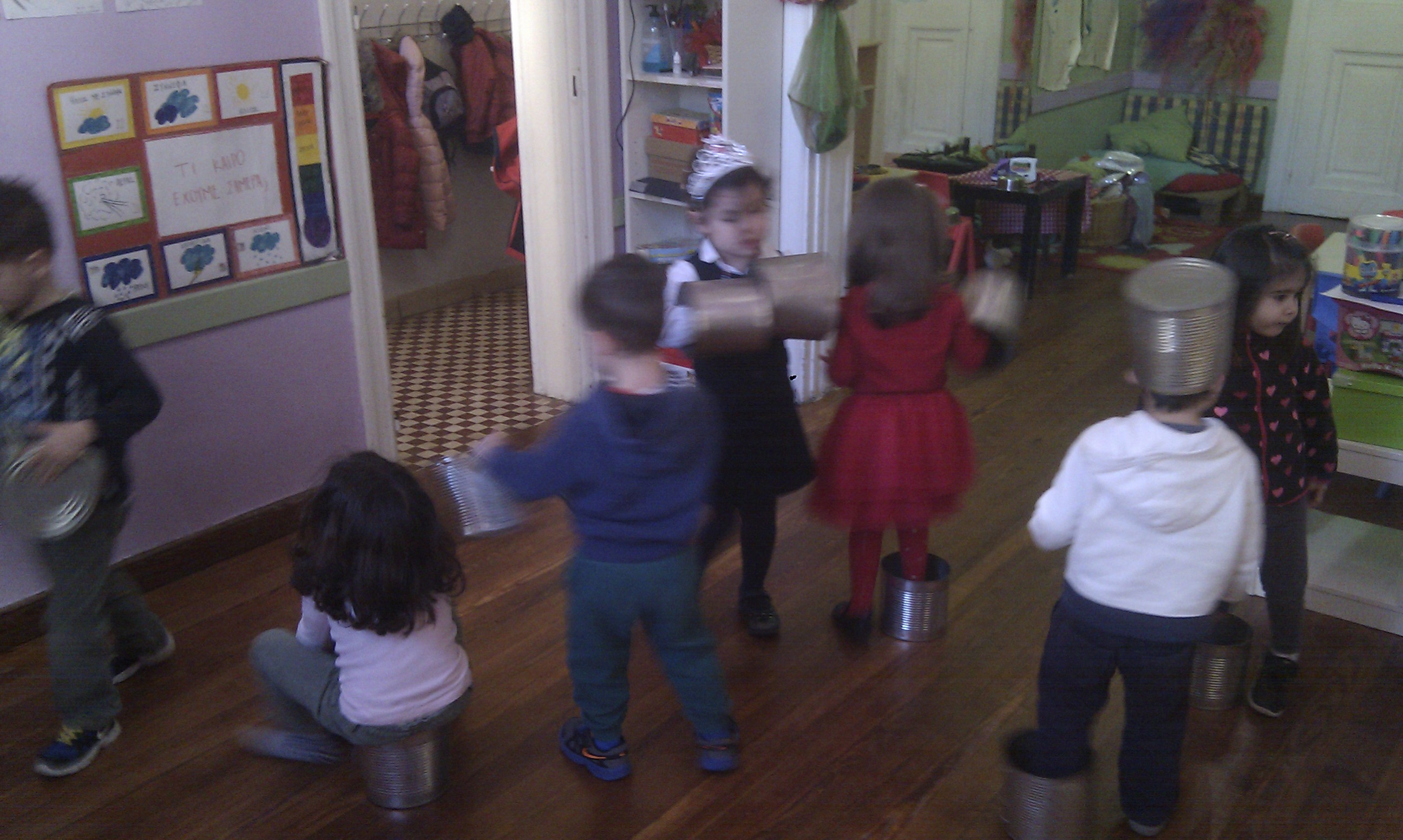
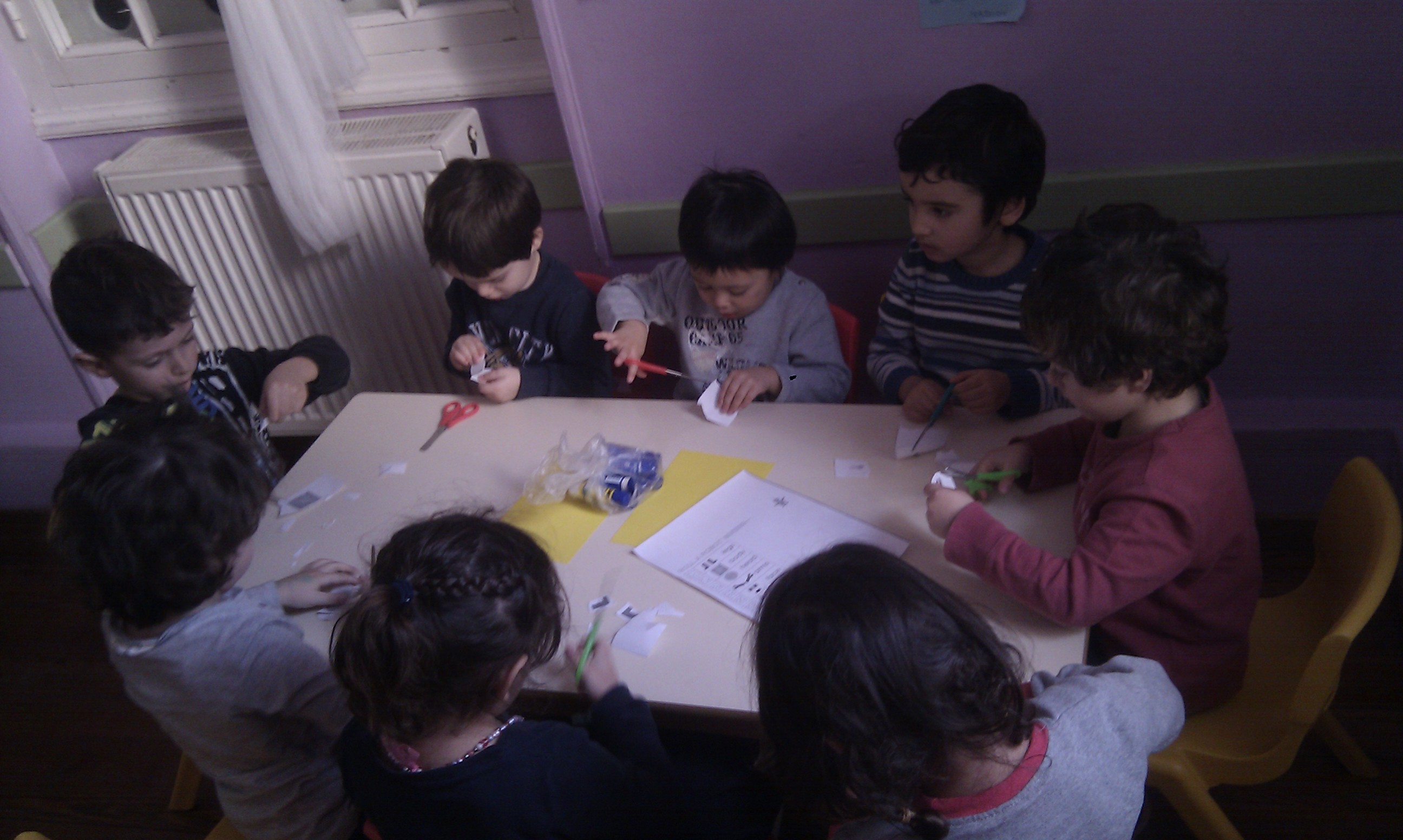
We split into groups and played a board game, cutting parts for a robot’s body
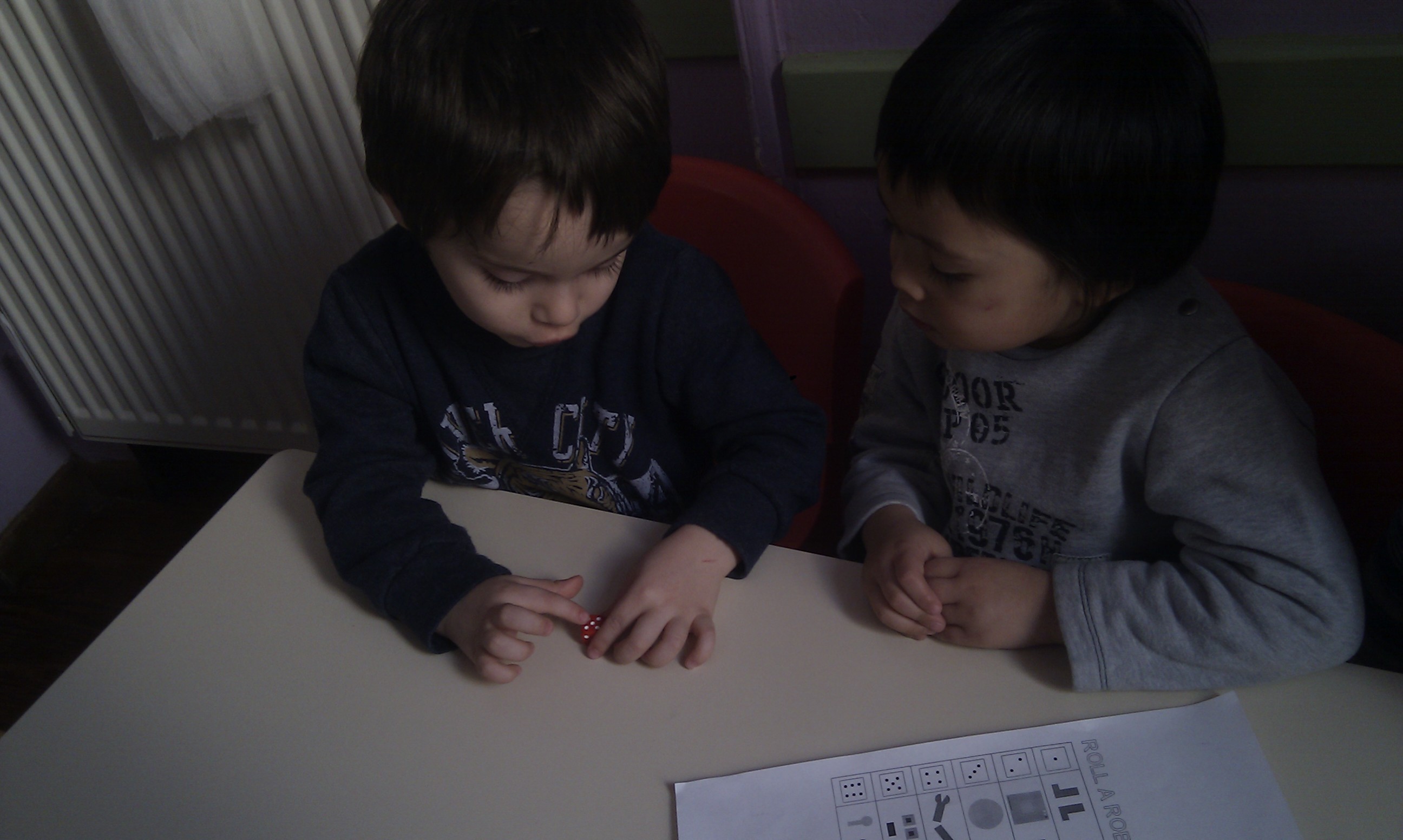
We rolled the dice, found the corresponding member of the robot’s body and stuck it on the paper
And so we made our robots!

(by Eleni Triantafyllopoulou, teacher in post-toddlers’ class in Athens)
Dance has no rules in kindergarten
Every Thursday, kindergarten kids can’t wait for the dance lesson with Olga!

Based on improvisation, Olga gives the stimuli and children through experimentation, discover new ways of movement and expression.

Dance has no rules, there is not right and wrong. Through movement and by the only use of objects, children explore their body.

Familiarize with it, learn to control their movement.

Take initiatives, trust themselves.
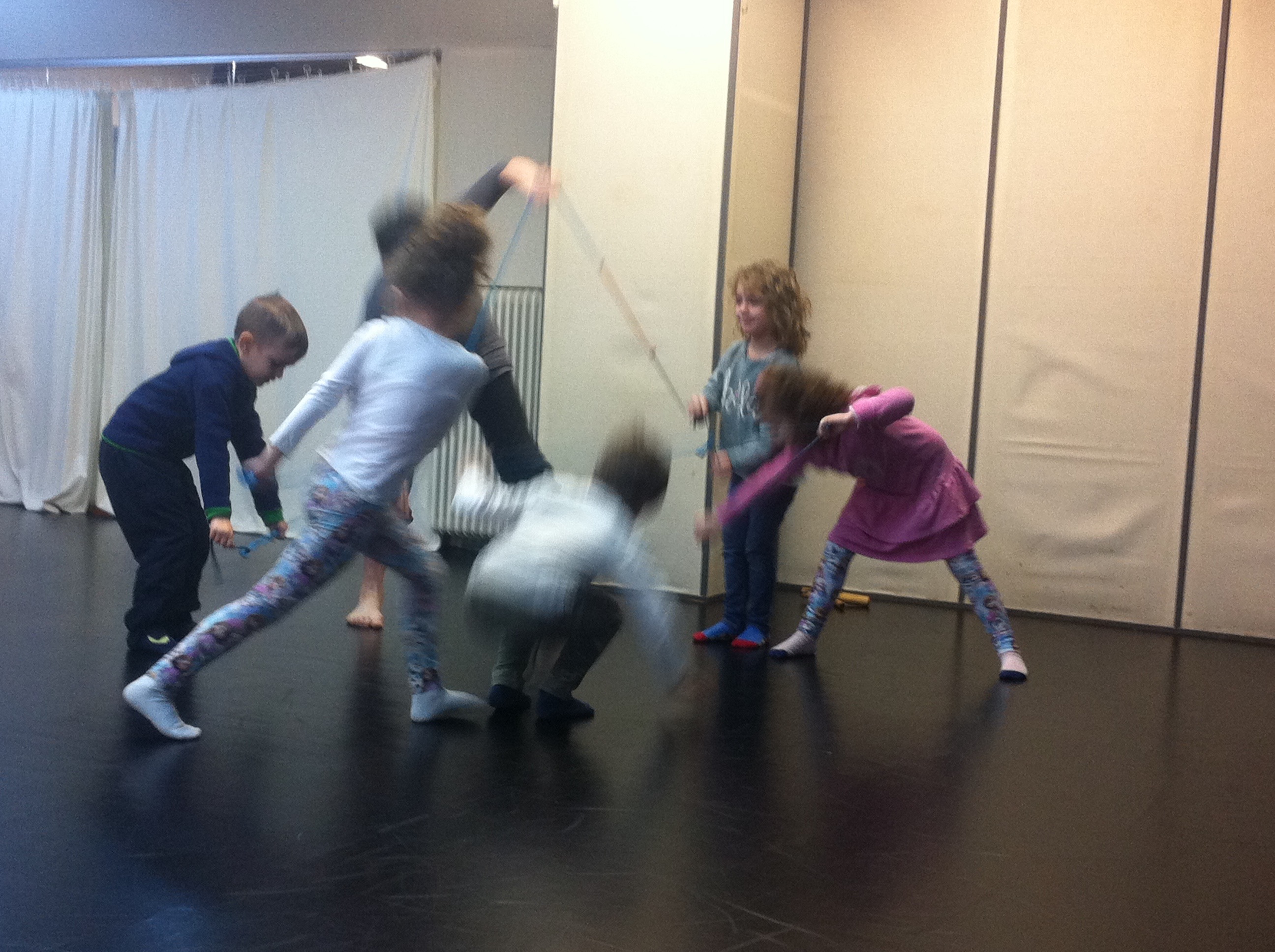
Cooperate, feed their imagination.

Express ideas, experiences and feelings.
During this dance class, children activate all their senses.

(by Stavroula Gaoutsi, teacher in kindergarten class in Athens)
Chasing Teacher Chrysa
(Video by Spyridoula Patouna, teacher in pre-K class)
Hula hoops for babies
Hula hoops turn into an excellent type of sensory play in babies’ class!
(by Maria Gryllaki, teacher in babies class in Athens)
Free play with loose parts
Free play in the yard for kindergarten kids by using loose parts….
Finding a new use for tin cans!
Toddlers playing in the yard by inventing new use for tin cans!
Is Tech taking Edu?
While attending GESS 2016 education exhibition in Dubai last week, I was once more hit by the extensive use of technology in schools, nowadays.

I’d dare to say almost 90% of exhibited stuff was somehow tech related. Never in my life before I’ve seen so many 3D printers working together and so many robots roaming around, at the same time. Absolutely impressive!

But, wait a moment. GESS 2016 was an education event, right? Not a tech show. So, why so much about technology?
Well, I’m the last person in the education world to claim that tech world should be out of schools. On the contrary: despite running a play-based curriculum in our preschool, we welcome and enforce the use of technology.
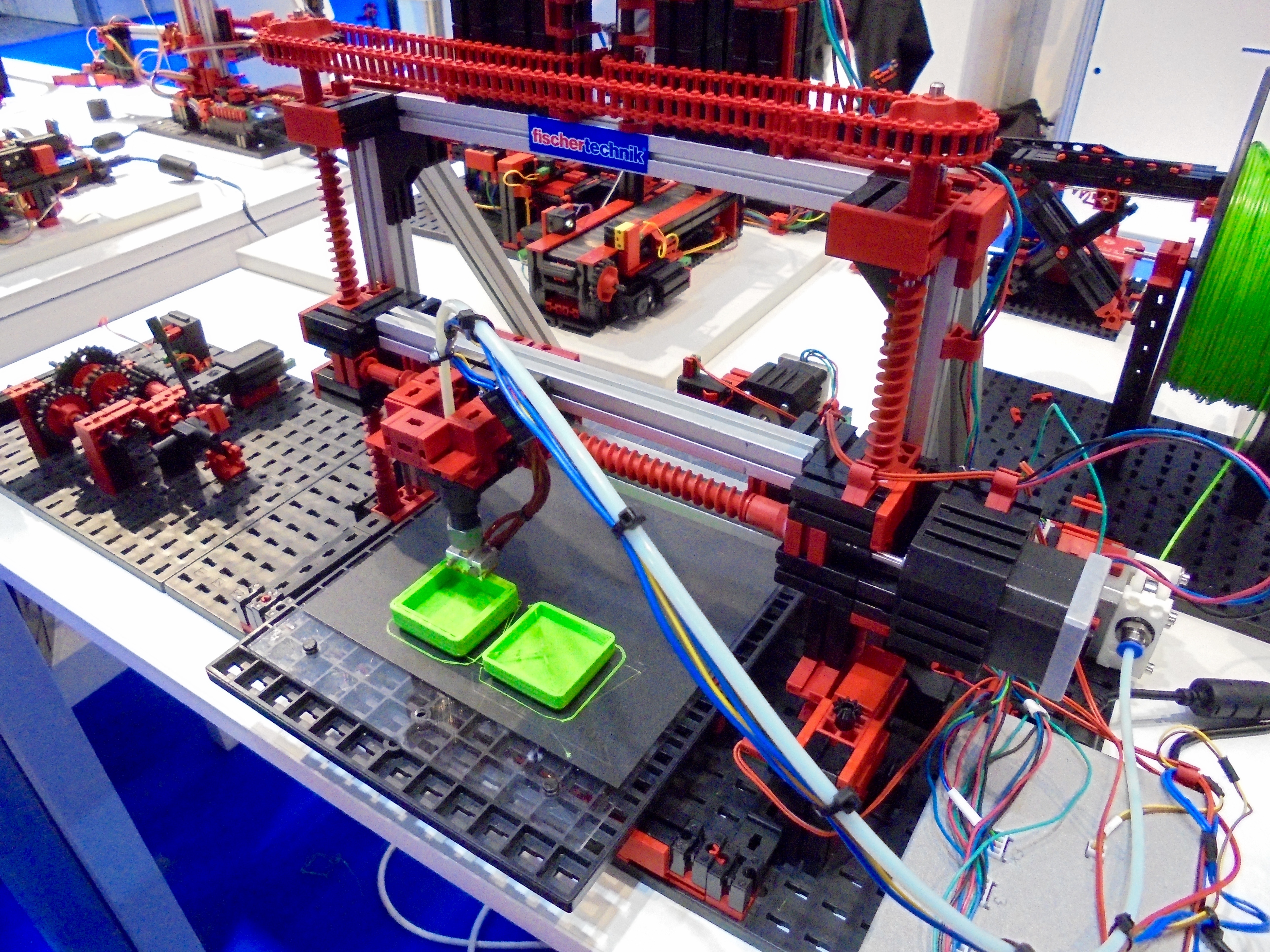
But, that use of technology arising from children own needs and ideas and aiming to add real value in class. And that means, to assist children in their life-derived inquiries, not to dominate those inquiries or transform their mud-hole play into a virtual playground!

Let’s be honest with ourselves. As GESS 2016 proved once more, contemporary education storybook is mainly written by the tech companies’ point of view. And this is the book societies gladly buy at the end of the day. Why? Because, technology companies dominate the universe and own the big money – while schools don’t.

Two years ago n IPA 2014 conference in Istanbul, I was eager to discuss this issue with many wise play gurus from all over the world. Their sayings were enlightening: tech companies die to captivate their users from as early age as possible. By managing to lower kid’s entry point in tech world just by one year, they can make billions of extra money yearly on phones, tablets, games and the similar. Is there any better way to achieve that than entering schools, early on?
Their strategy is well known: on the one hand, societies are getting terrorized on the dangers of letting children play freely, outdoor, unattended & taking their own risks. And on the other hand, societies are over-bombed regarding the urge for constant tech advancement and children’s future capability to compete.
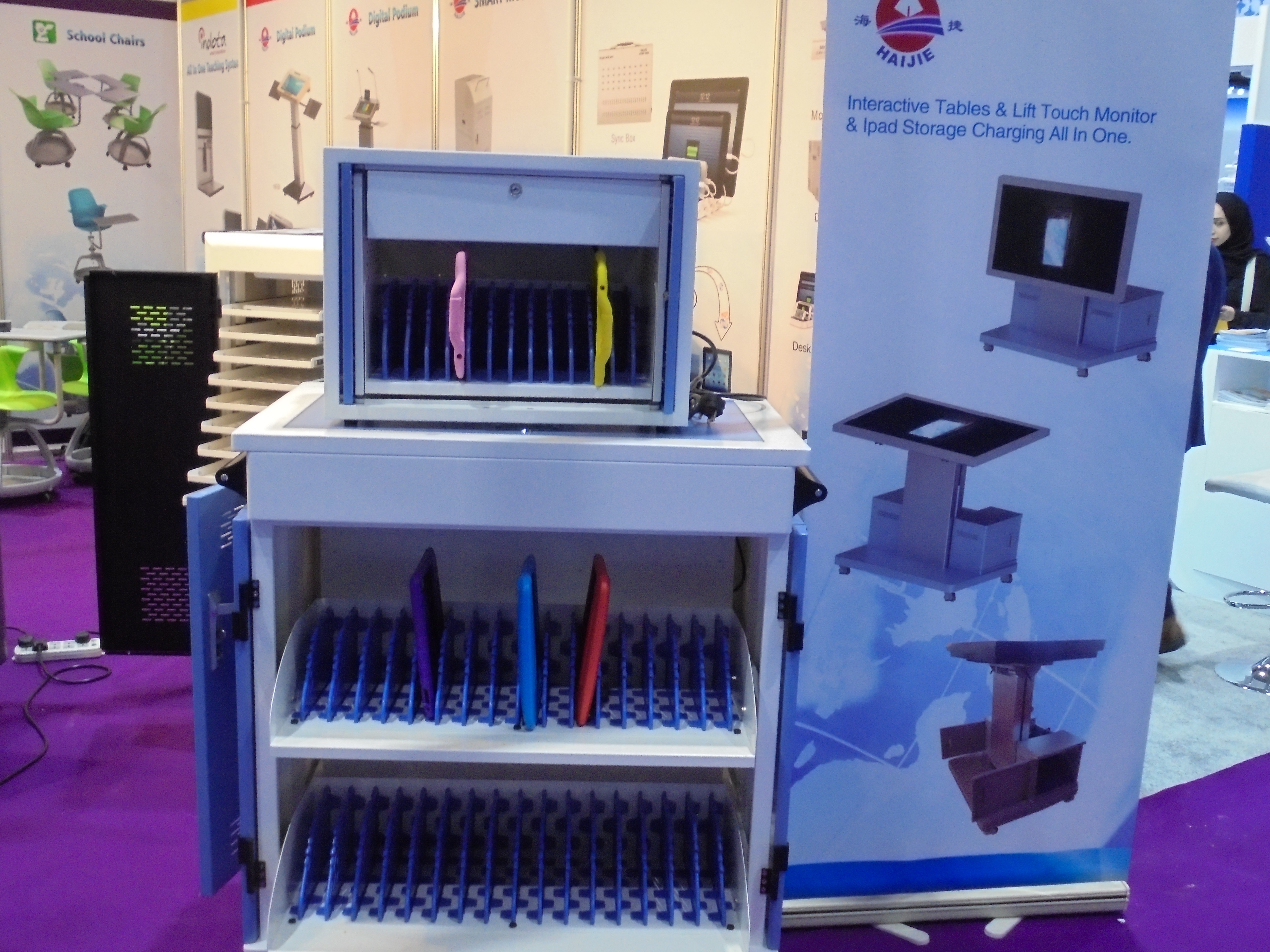
All we early education people know the result: instead of raising generations of happy children freely playing, we end up with stressful children coping with complicated numerical tests, in front of a screen.
I say again: technology is a good thing for education. However, education is so much more than tech. Learning how to code, for example, is fantastic, no doubt it teaches children a concrete way of thinking. But, education is more than learning the technical stuff, no?

Education is actually a continuous process through which societies nurture citizens capable of managing their own lives, learning to depend on their own will and being able to adapt in changing environment on a solid and constructive way – both for themselves and for the benefit of the society. Education is more of a continuous & balanced self-advancement process than a mere learning of facts. And is highly dependable on the human factor.
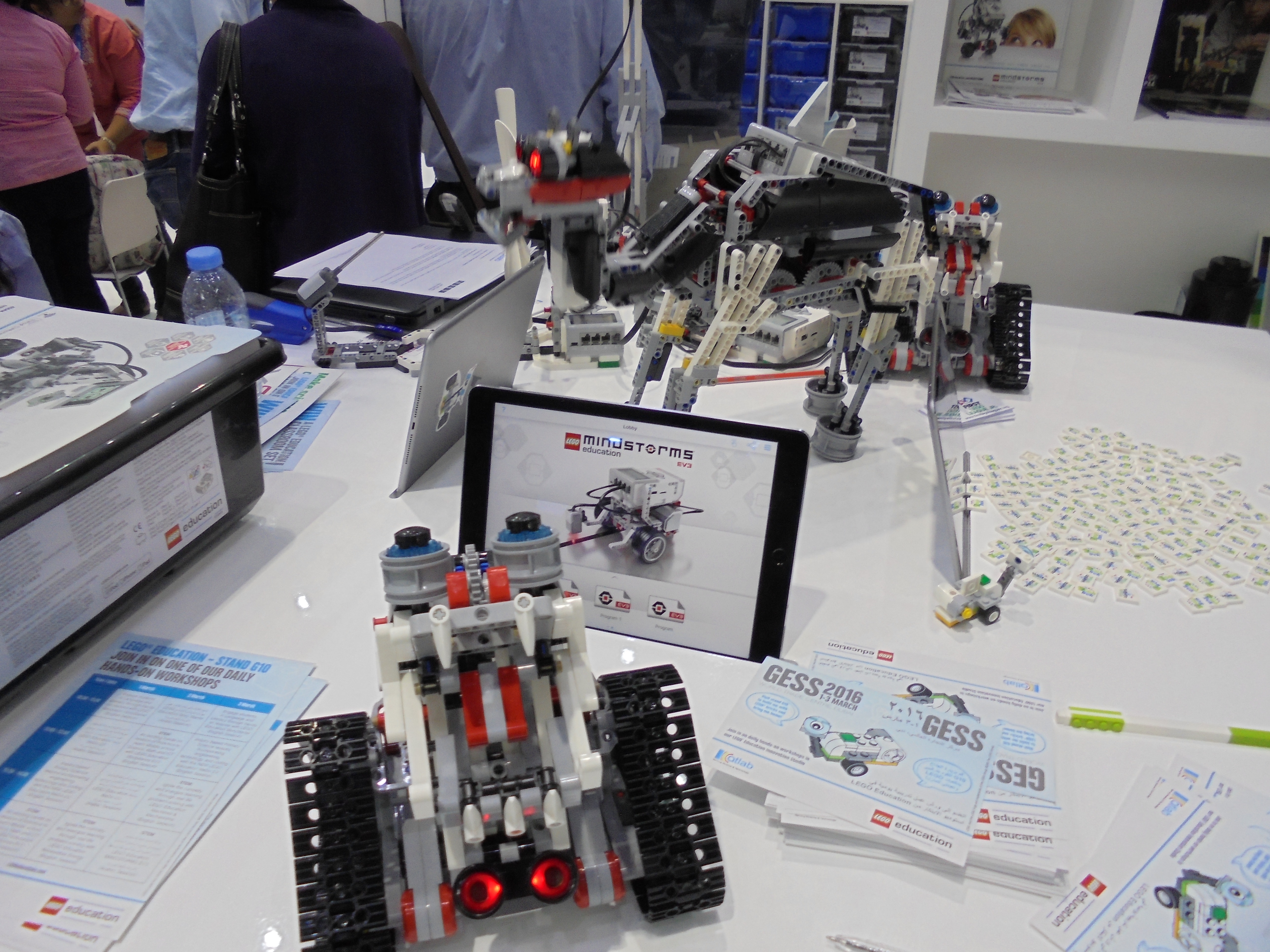
So, my point is the following and is loud and clear: we, educators and school people, should keep writing the education story on our point of view and not on the one of the governments and of the marketers.
We need to keep finding new ways of improving children’s ability to progress on their own feet and on their own judging will. Keep helping them become strong, independent and self-confident citizens and develop a genuine interest on how to discover their very own life path. Keep observing kids in no prejudice as they grow, understanding their needs and respecting their unique pace.
Technology can definitely be a good tool to achieve the above, in a school. But is neither the only, nor the most important one.
We, people responsible for educating young children will always be the critical factor on how things move, in school. Not the printers or the robots…
Great teachers will keep inspiring kids and families by their paradigm and their passion.
Bad teachers will keep demotivating by their incompetence and lack of interest. But in that case, they can still blame the machine…
(by John Yiannoudis, co-owner and director of Dorothy Snot preschool)
Best supporters ever!
In kindergarten swimming open class on March 11, 2016 kids not participating in the class fully support the rest of the team!
Wow!
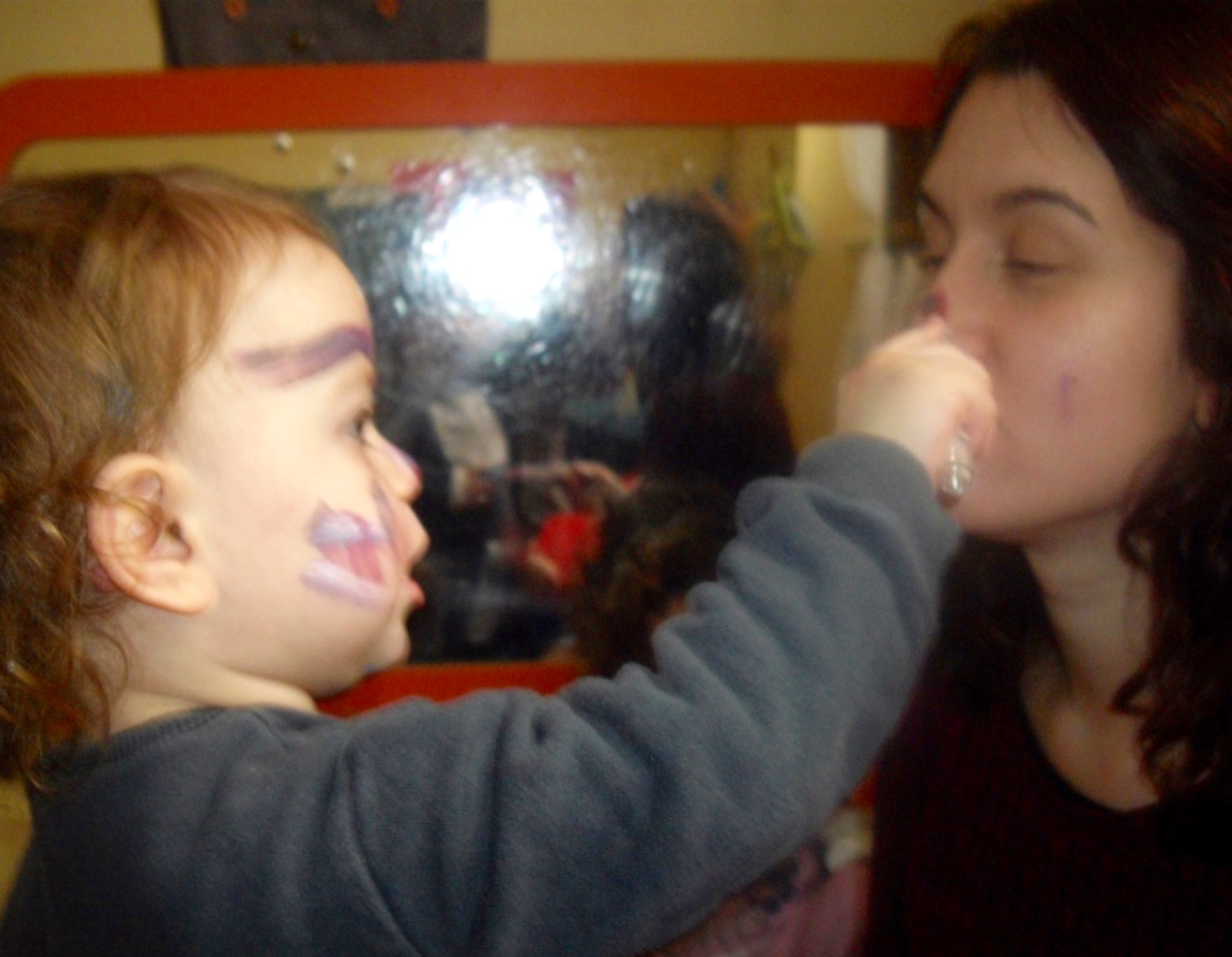
A favorite habit of our babies lately is to look themselves in the mirror. They make faces, cry and observe their bodies with pride. They talk or laugh, watch that and get excited.
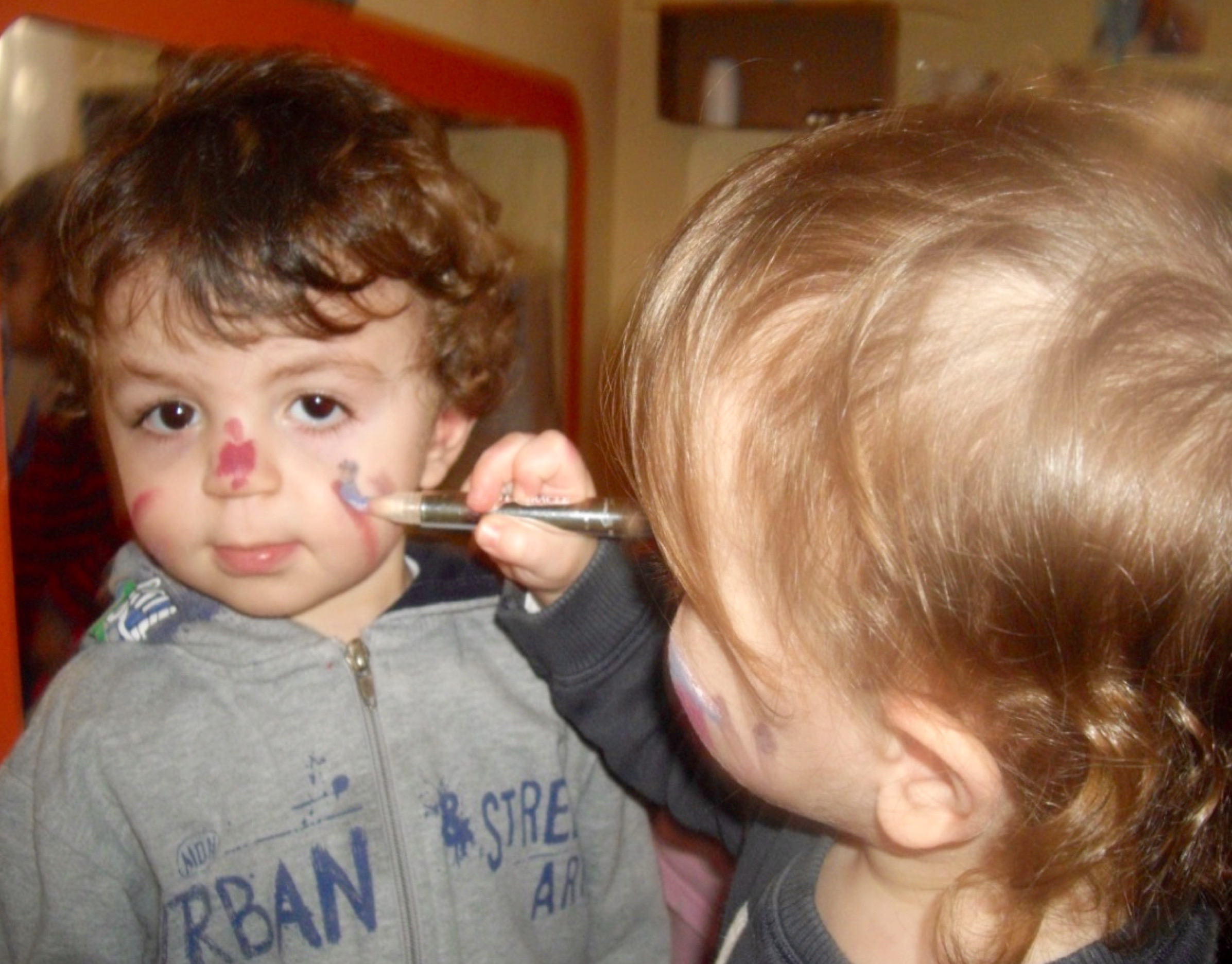
That kind of sensory play assists babies to begin forming a positive connection with themselves.
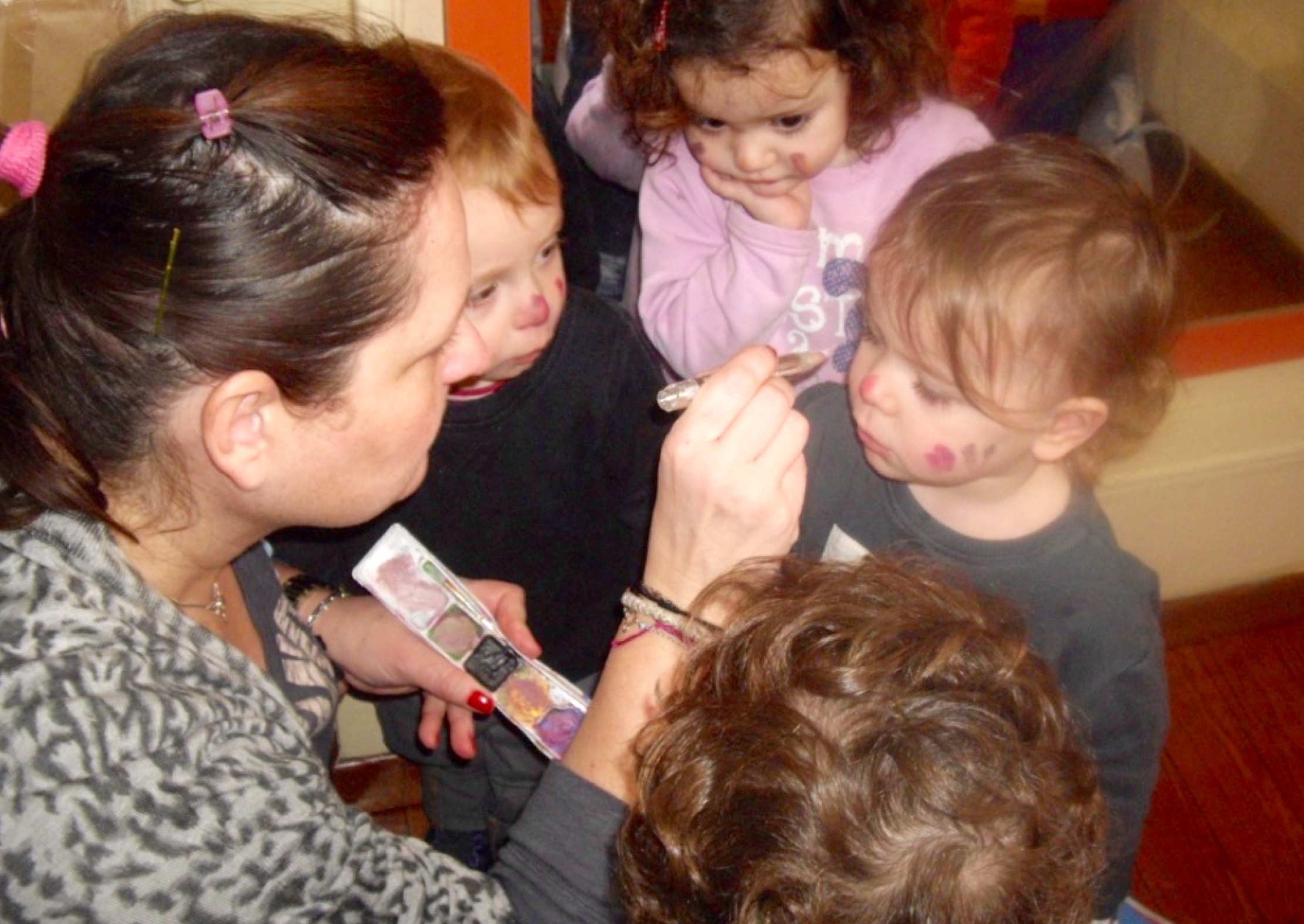
So, in order to further develop our sense of self-awareness, but also boost our confidence, we put on some color in our faces and we all looked in the mirror!
And as Marina said, “Wow”!!!
(by Maria Gryllaki, teacher in babies class in Athens)
 Life-derived Learning